Heating · 10 min read · October 24, 2026
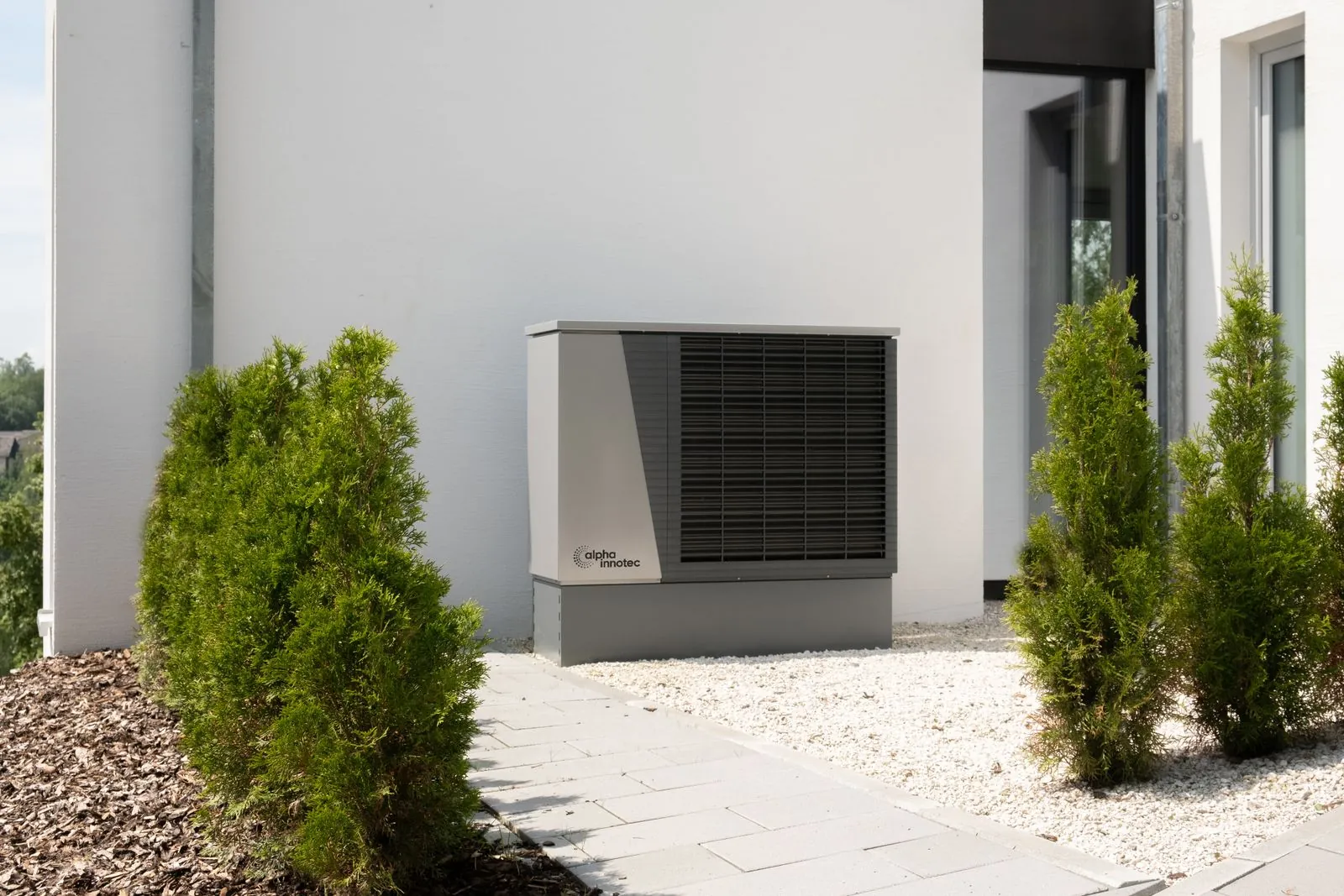
A heat pump that blows cool air for a few minutes on a cold Valley morning is usually in defrost. Its outdoor coil runs 10 to 20F colder than the outdoor air (Trane), frost forms on it when the morning is cold and damp, and the system reverses for a few minutes to melt the frost, often with a cloud of steam rising off the outdoor unit. Trane's demand-defrost cycles usually last 3 to 5 minutes, and Lennox puts the whole process at 5 to 15. Cool air that lasts longer, an outdoor fan that never restarts or ice that keeps building is a service call, and a diagnostic visit runs $89 to $98 at published Valley rates.
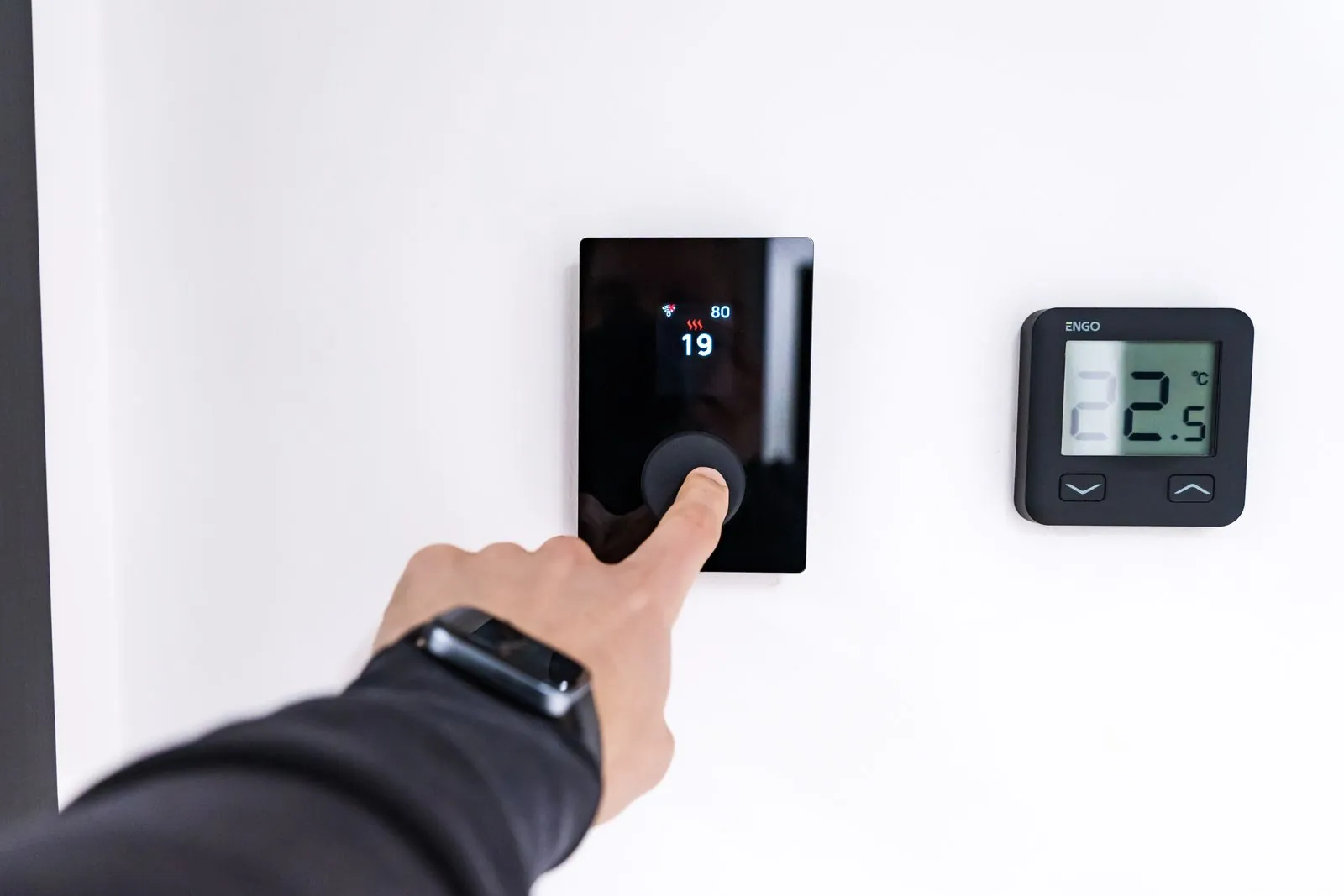
It catches people every December. On the first 38F morning the vents blow lukewarm, and someone looks outside at what looks like smoke coming off the unit. Most of the time the system is doing what it was built to do, and the thermostat's "Aux" and "Em" labels tell you which part of it is running. When it is a fault, our heat pump repair service covers Glendale, the West Valley and the rest of the metro.
Because it is defrosting its outdoor coil. In heat mode a heat pump pulls heat out of the outdoor air through that coil, which runs well below the air temperature. When the morning is cold and humid, frost builds on the fins and blocks the airflow. To clear it, the heat pump "temporarily switches from heating to cooling mode," in Lennox's words, sending hot discharge gas to the outdoor coil to melt the frost.
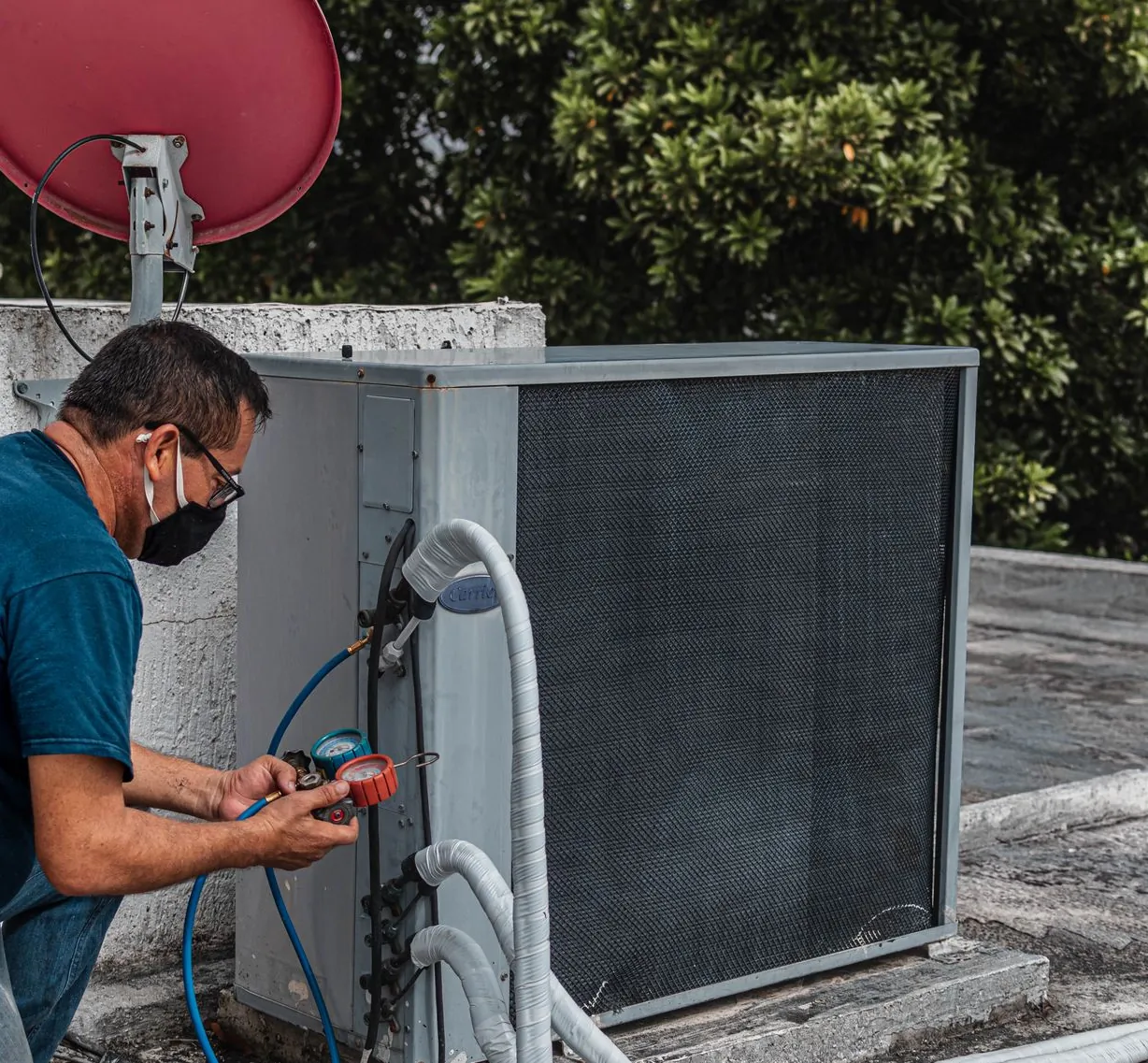
Outside, Trane says, you may hear a swoosh as the refrigerant reverses, and "a cloud of steam" can rise from the unit as the ice melts. The outdoor fan shuts off on purpose so the coil keeps the heat, which is why the unit goes quiet between the two swooshes. On a rooftop package heat pump the steam rises off the roof, which is when neighbors think the roof is smoking. Inside, homes with backup electric heat strips usually notice little, because many heat pumps switch the strips on during defrost and the thermostat may show AUX. Homes without backup heat "may notice cool air coming from their air vents instead of warm air" for those few minutes. Then the system flips back to heating and the vents warm up again.
Not very cold. Trane says defrost can start when the air is in the low 40s, though it is more common in the 20s and 30s, because the coil itself sits 10 to 20F below the air. NWS Phoenix's normal overnight lows are 45.3F in December and 46.0F in January (1991 to 2020), so on an ordinary winter morning the coil can sit near or below freezing. Add moisture, such as the morning after a winter rain, and frost shows up.
True freezes are rare. Sky Harbor averages about one day a year at or below 32F (NWS Phoenix), and on those mornings the heat pump defrosts more often while the backup heat helps out. A heat pump that defrosts a few times on a 35F morning and keeps the house at its setpoint is working normally.
When it lasts, repeats without letting up, or comes with ice that never clears. These are the patterns that need a technician:
An older heat pump with one of these faults raises the repair-or-replace question. The framework in our Glendale split-system replacement story (age, repair cost against a new system, refrigerant type) applies to a heat pump the same way.
By testing the defrost system instead of waiting for it. The tech forces a defrost from the control board's test pins, reads the coil sensor against its temperature chart, checks for 24 volts at the reversing valve solenoid and the temperature difference across the valve, and checks the charge by weight or against the manufacturer's heating chart. Many time-temperature boards check the coil every 30, 60 or 90 minutes of run time and defrost only when the sensor reads near or below freezing. They end the cycle when the coil warms to roughly 50 to 70F or at a limit of 10 to 14 minutes, so a board that never starts or never stops shows up quickly.
A failed reversing valve is a full refrigerant repair. The charge is recovered, the old valve cut out and the new one brazed in with nitrogen flowing and the valve body kept cool (the slide inside is heat-sensitive). Then a new filter drier goes in, the system is pressure-tested and evacuated to about 500 microns, the charge is weighed in, and both heat and cool are tested. Sometimes only the solenoid coil on the valve has failed, a much smaller repair.
Aux heat is automatic backup that helps the heat pump. Em heat is a manual setting that shuts the heat pump off and runs only the backup. On most Valley heat pumps the backup is a set of electric heat strips in the air handler; Honeywell notes it can also be a gas furnace. Each brand handles it a little differently:
Those threshold settings are usually set once at installation and forgotten. If the strips run on a 50F afternoon, the setting is worth a look before the next bill.
Heat strips are cheap to own and expensive to run. Ten kW of strips for one hour costs about $1.24 at APS's winter off-peak price and about $3.25 in the 4 to 7 p.m. weekday peak, and Google's Nest help puts auxiliary heat at about 2 to 5 times the cost of running the heat pump. Repairs start with a diagnostic visit.
| Line item | Typical range | What moves it |
|---|---|---|
| Diagnostic visit | $89 to $98 per visit | About $148 per visit after hours |
| Capacitor | $100 to $400 installed | Fan or compressor capacitor, rating, access (national guide) |
| Defrost or control board | $150 to $700 installed | Brand and model; sensor replaced with it or not (national guide) |
| Outdoor fan motor | $750 to $1,150 installed | PSC vs ECM motor, rooftop package unit vs ground unit |
| Reversing valve | Quoted after diagnosis | Full refrigerant repair; a failed solenoid coil alone costs far less |
| Compressor | $1,400 to $3,000 installed | Tonnage, refrigerant, warranty status |
| 10 kW of heat strips, APS winter off-peak | About $1.24 per hour | 12.351 cents per kWh |
| 10 kW of heat strips, APS weekday 4 to 7 p.m. | About $3.25 per hour | 32.543 cents per kWh on-peak |
| 10 kW of heat strips, SRP Basic winter | About $1.10 per hour | 10.97 cents per kWh at any hour |
Published Valley rates and a 2026 national guide, read October 22, 2026. Heat strip rows are energy charges from aps.com and srpnet.com, before service charges and taxes. A written estimate on site is free.
Your strip size is printed on the heat kit or the air handler's label in kW. Multiply by your plan's price per kWh for the hourly cost.

A quick look at the thermostat and a quarter hour watching the outdoor unit sort most cold mornings into "normal" or "call":
A few minutes. Trane says its demand-defrost cycles usually run 3 to 5 minutes and end as soon as the ice clears, and Lennox puts the whole process at 5 to 15 minutes depending on the weather and the frost. A cycle that keeps getting longer, or a unit that seems to go into defrost every few minutes all morning, is the pattern Trane says to have a dealer check.
No, not for cold alone. Emergency heat shuts the heat pump's compressor off and runs only the backup heat, which on most Valley heat pumps means electric heat strips. Google's Nest help calls it usually expensive and inefficient, and it keeps running until you turn it off. Use it when the outdoor unit has clearly failed, call for service, and switch back to Heat after the repair.
Usually the heat strips. Auxiliary heat runs when the heat pump falls behind, during defrost, and whenever someone bumps the thermostat up several degrees at once, and Google's Nest help puts it at about 2 to 5 times the cost of the heat pump. Timing matters too: APS's winter on-peak price is 32.543 cents per kWh from 4 to 7 p.m. on weekdays, against 12.351 cents off-peak, and on APS's demand plan one peak hour with 10 kW of strips running can add about $137 to the month's demand charge (checked October 2026).
Yes. The heat pump keeps pulling heat from the outdoor air, it goes into defrost more often, and the backup heat strips help hold the setpoint. Below-freezing nights are rare at Sky Harbor, which averages about one a year in the 1991 to 2020 normals, so most Valley heat pumps spend the winter well inside their range.
Casi siempre es el ciclo de descongelación (defrost). En las mañanas frías y húmedas se forma escarcha en la unidad de afuera, y el sistema se invierte unos minutos para derretirla; puede salir vapor y el ventilador de afuera se detiene. Si el aire frío dura más de 15 minutos, o la unidad se cubre de hielo, llame a un técnico. Se habla español: 480-853-6627.
A winter heat pump call puts a technician at both halves of the system, so these are quoted together on the same visit.
Text us a short video of the outdoor unit and a photo of the thermostat screen and we will tell you whether it looks like defrost, or call 480-853-6627 for a free estimate anywhere in the West Valley. Request a free estimate online if you would rather write.
Get a free, no-pressure estimate from a licensed local pro. Call or text and we'll get you scheduled fast.